







Search Results for: foreign trade

Ethiopia will allow foreign capital to participate in trade.
Recently, according to the local Ethiopian media reporter network, under the leadership of Ethiopian Prime Minister Abiy, the Ethiopian Investment Commission (EIC) has issued a new law that will allow foreign enterprises to participate in import and [more…]

Ethiopia Relaxes Foreign Investment Access: Coffee Export and Other Sectors Opened to Foreign Enterprises
The Ethiopian Investment Commission recently issued new regulations allowing foreign companies to engage in import/export, wholesale, and retail trade for the first time, with coffee exports becoming the most closely watched area of liberalization. Previously, these sectors were long restricted by protectionist policies and open only to local investors. Although the new policy sets a relatively high capital threshold, it has already sparked strong interest in the international coffee industry. However, ongoing security conflicts in some parts of the country have also added uncertainty to foreign investment entry. This article outlines the key points of the new regulations, industry reactions, and potential risks, and includes related observations from Front Street Coffee. [more…]

Guatemalan Coffee Exports to China May Face Obstacles: The Trade Shift Behind the Foreign Ministry's Statement
Recently, news circulated from the Guatemalan exporters' alliance that China has banned the entry of the country's coffee and macadamia nuts. Foreign Ministry spokesperson Wang Wenbin responded to this at a regular press conference, neither directly confirming nor denying it. The background of the incident is that the Guatemalan president held a video meeting with the leader of the Taiwan region, and the foreign minister traveled to Taiwan, severely undermining the One-China principle, putting China-Guatemala economic and trade relations to the test. Guatemalan coffee has only recently formally entered the Chinese market, and China is currently its eighth-largest export destination. If bilateral relations continue to be tense, Guatemalan coffee beans may lose their share of the Chinese market, and domestic traders and roasters will also be affected. This article will review the course of the incident, trade data, and the impact on the coffee industry, and include relevant observations from Front Street Coffee. [more…]

Guatemalan Coffee Generates Nearly a Billion Dollars in Annual Foreign Exchange, South Korea Free Trade Agreement Officially Takes Effect
In the 2022-2023 coffee year, Guatemala's coffee industry generated US$944 million in export revenue, firmly maintaining its position as the country's leading agricultural export. Although export value declined compared to the previous year due to international price fluctuations and the El Niño phenomenon, the industry remains optimistic about the outlook for 2024. At the same time, Guatemala has officially joined the free trade agreement between South Korea and the Central American countries, injecting new momentum into coffee exports. The president of Anacafé predicts that coffee production in the 2023-2024 coffee year is expected to reach 4 million quintals, and Guatemala's coffee competitiveness and position in the international market will be further enhanced. [more…]

Birr exchange rate falls for three consecutive days to 83.94, Ethiopia's foreign exchange reform triggers a chain reaction in prices and coffee exports
Since Ethiopia implemented a new foreign exchange policy on July 31, the birr has fallen three times in a row against the US dollar within just a few days, dropping to 83.94 birr per US dollar on August 2, sharply increasing the pressure on local people's livelihoods. The Addis Ababa City Trade Bureau promptly sanctioned 387 businesses suspected of price gouging, while opposition parties criticized the timing of the reform as inappropriate. At the same time, exports of agricultural products such as coffee have gained competitiveness in the short term due to currency depreciation, but climate disasters, the Red Sea shipping crisis, and domestic conflict cast a shadow over the long-term outlook. This article will sort out the deeper impact of exchange rate fluctuations on Ethiopia's economy, prices, and coffee industry, and also look at how brands such as Front Street Coffee are responding amid changes in the place of origin. [more…]

US Extends National Emergency on Ethiopia, Adding New Uncertainties to Coffee Export and Trade Prospects
The United States White House announced on September 6 that it will continue to impose a national emergency on Ethiopia, a decision that came after news of a currency swap agreement between China and Ethiopia. Ethiopia's finance minister has confirmed the existence of the agreement, but specific details and the timeline have not yet been made public. Meanwhile, the United States has imposed a state of emergency on Ethiopia since 2021 under the pretext of the National Emergencies Economic Powers Act, and this extension will run until 2025. Ethiopia was removed from the African Growth and Opportunity Act (AGOA) in 2022, and tariffs were reinstated on major export goods such as coffee, textiles, and leather products, dealing a severe blow to the economy. Although the U.S. attitude slightly eased after Ethiopia implemented a new foreign exchange policy in August of this year, AGOA eligibility remains out of reach. Germany is the largest importer of Ethiopian coffee, while the United States ranks only fourth, accounting for 9.3 percent. The continuation of the state of emergency may further restrict bilateral trade, reduce U.S. imports of Ethiopian coffee, and at the same time hit Ethiopia's exports of fertilizer and industrial supplies, exacerbating local price increases and the rising cost of coffee. [more…]

Ethiopian regulators halt cooperation with Chinese coffee merchants over unpaid goods, affecting foreign exchange earnings
As Africa's largest coffee producer, Ethiopia is known for the floral and fruity aromas of its coffee beans, and in recent years it has become increasingly popular in the Chinese market. However, a recent report from local media has drawn attention: the Ethiopian Coffee and Tea Authority has decided to ban a Chinese coffee company from signing contracts with Ethiopian parties because it failed to pay its local exporter. This incident not only reflects payment disputes in China-Ethiopia coffee trade but also highlights the importance of coffee exports to the country's foreign exchange earnings. This article will review the course of events, the companies involved, and local regulatory measures, and revisit the popularity of Ethiopian coffee in the Chinese market. [more…]

Ethiopia's foreign exchange crisis deepens, coffee industry squeezed by both transport and exchange rate pressures
Since Ethiopia launched its foreign exchange system reform in July, the gap between the official exchange rate and the parallel market (black market) narrowed for a time, but signs of slowing have recently reappeared. As of mid-October 2024, the official exchange rate was 116.97 birr per US dollar, while the black market rate was as high as 140 birr, forcing businesses to take desperate risks amid the foreign exchange shortage. Costs are climbing for import-dependent enterprises, and inflationary pressure is transmitting to the coffee industry, driving up cultivation costs and pushing the minimum selling price across the board up by 2%. At the same time, the government is accelerating the opening of the logistics industry, attempting to ease transport bottlenecks by bringing in foreign investment, but port access and regional security remain uncertain factors. This article will sort out the chain reaction among exchange rates, logistics, and coffee exports. [more…]
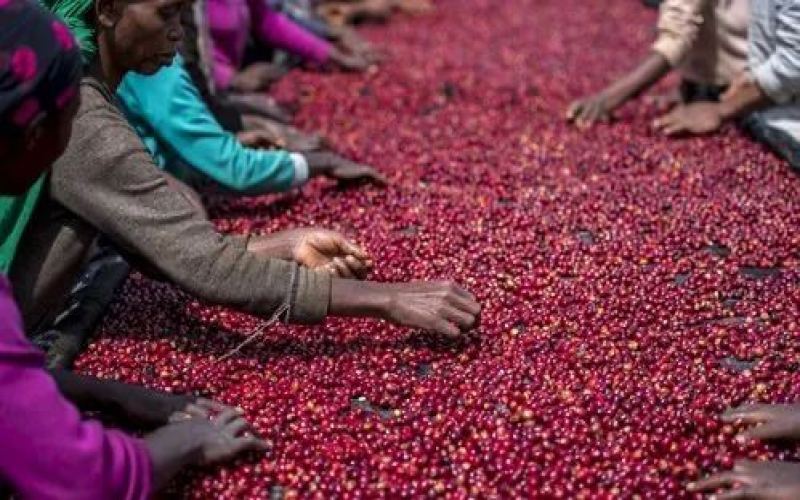
Ethiopian coffee exports earn $570 million in half a year, seeking a way out through the Somaliland port agreement
The latest data from the Ethiopian Coffee and Tea Authority shows that in the first half of the 2023/24 fiscal year, the country's coffee exports reached 117,900 tons, with export revenue exceeding US$570 million. As one of Africa's most important coffee-producing countries, Ethiopia's coffee industry is facing the dual test of global market volatility and regional conflict. At the same time, in order to escape the predicament of being a landlocked country and broaden its export channels, Ethiopia signed a port lease memorandum of understanding with Somaliland, obtaining a 50-year right to use the Port of Berbera in exchange for recognizing Somaliland's independence. This article will review the latest developments in Ethiopia's coffee exports, the challenges it faces, and the far-reaching impact of this port agreement on the country's coffee trade. [more…]
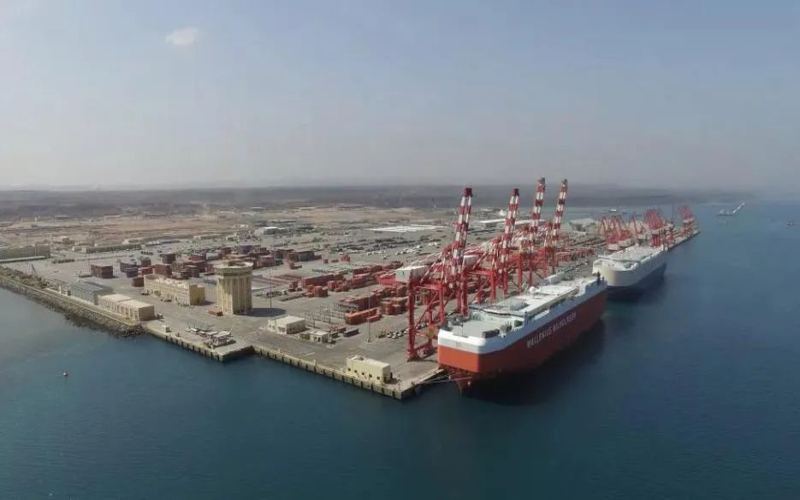
Ethiopia Joins Forces with Djibouti to Strengthen Logistics Corridor, Red Sea Tensions May Affect Coffee Export Costs
As a landlocked country, Ethiopia's foreign trade is highly dependent on the Port of Djibouti. Recently, logistics industry organizations from both countries met in Addis Ababa to discuss deepening cooperation, with plans to sign a memorandum of understanding to establish a formal communication mechanism. However, the security situation in the Red Sea region continues to deteriorate, with Houthi armed forces frequently attacking merchant ships. Several shipping companies have announced freight rate increases for November, putting cost pressure on the coffee industry, which relies on maritime transport. The volume and logistics costs of Ethiopia's coffee exports may be affected in the short term, while the conflict in the north of the country is driving up prices and increasing production expenses. This article will review the progress of logistics cooperation, the dynamics of the Red Sea situation, and their potential impact on the coffee trade. [more…]
Ethiopian Coffee: A Comprehensive Guide to Origin Grading, Flavor Characteristics, and Local Brands
As the birthplace of coffee, Ethiopia, with its exceptional natural conditions, nurtures a diverse range of high-quality Arabica coffees. From forest and semi-forest to garden cultivation, from washed to natural processing, each coffee carries a unique terroir imprint. This article systematically reviews Ethiopia's coffee cultivation models, processing methods, grading and quality control systems, provides detailed flavor profiles and annual production of six renowned regions, and includes contact information for trade-related institutions and associations. Meanwhile, the selection of Ethiopian beans recommended by Front Street Coffee will also offer purchasing references for enthusiasts. [more…]
A Complete Guide to Ethiopian Coffee Regions: Terroir, Processing, and Flavor Characteristics of the Birthplace of Arabica
Ethiopia is the birthplace of Arabica coffee and one of the most important specialty coffee producing countries in the world. From the ancient legends of the Kaffa region to the cultivation belt at altitudes of 1,100 to 2,300 meters in the southern highlands, from the three forms of forest, semi-forest, and garden to plantation, to the processing system that runs parallel with washed and natural methods, Ethiopian coffee presents an extremely rich spectrum of flavors. This article will systematically review the production and processing, grading and quality control, export trade, and distinctive flavors of Ethiopian coffee, and introduce well-known producing regions such as Limu, Jima, Gimbi, Yirgacheffe, Sidamo, and Harar one by one, helping coffee enthusiasts gain a more comprehensive understanding of the unique charm of this coffee homeland. [more…]
A Complete Analysis of Ethiopia's Sidama Coffee Region: The Flavor Code from Cultivation and Processing to Grading and Export
Ethiopia is widely recognized as the birthplace of coffee and is also a major producer of Arabica coffee in Africa. This article systematically reviews the full picture of Ethiopia's coffee industry, from geographical environment, cultivation methods, and processing techniques to the grading system and export trade, and introduces one by one the flavor characteristics of well-known producing regions such as Limu, Djimma, Sidamo, and Harar. The article also compiles information on the origin, processing method, and price of multiple Yirgacheffe and Sidamo specialty beans from the Front Street brand, making it suitable reading and reference for enthusiasts who wish to gain a deeper understanding of Ethiopian coffee. [more…]
Overview of Ethiopia's Coffee Industry: A Comprehensive Analysis from Planting Traditions to the EXC Grading and Export System
Ethiopia is the birthplace of coffee and the primary producer of Arabica coffee in Africa. This article systematically reviews Ethiopia's coffee-growing environment and traditions, production and processing methods, grading and quality control system, and export trade landscape. It provides a detailed introduction to three cultivation models—forest coffee, semi-forest coffee, and garden coffee—as well as two processing methods: washed and natural. It also explains the operational mechanism of the EXC grade classification export system. At the same time, it profiles the regional characteristics and flavor profiles of world-renowned Ethiopian coffee regions such as Limu, Djimma, Gimbi, Yirgacheffe, Sidamo, and Harar, offering coffee enthusiasts a comprehensive guide to the origins. [more…]
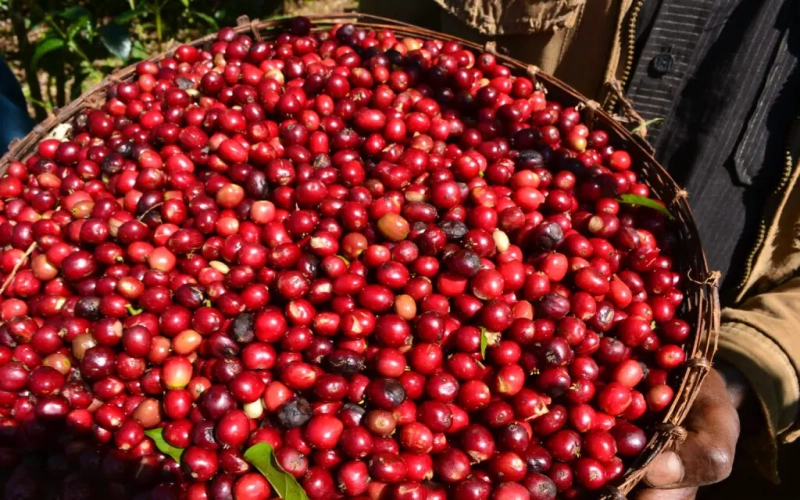
The Origin of African Coffee: A Comprehensive Analysis of Ethiopian Coffee Bean Origins, Processing Methods, and Grading Systems
Ethiopia is the birthplace of Arabica coffee and the world's fifth-largest Arabica producer, known for coffees with bright, citrus-like acidity and a tea-like sweet finish. This article systematically covers Ethiopia's coffee-growing regions, its three main cultivation models, the two major processing methods of washed and natural, the G1 to G9 grading and quality control system, and the evolution of the coffee export trade. It also draws on Front Street Coffee's cupping experience to help readers understand the crisp flavors Ethiopian beans display at light-to-medium roasts, as well as the stylistic differences between washed and natural Yirgacheffe and the basis for choosing between them. [more…]
Ethiopia Yirgacheffe Michelle Cooperative: A Complete Analysis of Fair Trade, Washed and Natural Processing, and Flavor
Ethiopia, as the birthplace of coffee, still has wild coffee trees harvested by farmers today. Despite long-term challenges such as poverty and drought, it remains one of the most important specialty coffee-producing countries in the world. This article focuses on the Michelle Coffee Cooperative in the Yirgacheffe region, outlining its origin background, membership scale, altitude conditions, and Fair Trade certification, while also analyzing the differences in aroma and flavor between Ethiopia's two major processing methods—washed and natural. The article also introduces the impact of the ECX trading system and the DST specialty trading mechanism on coffee farmers and buyers, and presents the specific flavor characteristics of the Michelle Cooperative's washed beans, including delicate layers of jasmine, bergamot, citrus, and berries, making it suitable for coffee enthusiasts to gain an in-depth understanding of Yirgacheffe's origin context and the terroir in the cup. [more…]

Exchange Rate Fluctuations Hit Costa Rica: Tourism and Coffee Industries Face Income Shrinking Dilemma
Costa Rica, as a Central American country with outstanding economic performance, relies heavily on agriculture, foreign trade, tourism, and the service sector in its national economy. However, between June 2022 and December 2023, the US dollar to Costa Rican colón exchange rate fell sharply by about 24%, bringing unexpected difficulties to the local tourism and coffee industries. Tourist spending power declined, coffee export earnings shrank, yet the government viewed the colón's appreciation as a sign of economic strength. This article will analyze in depth how exchange rate fluctuations have impacted these two pillar industries, and explore the multiple challenges facing coffee growers. [more…]

China-Peru FTA Upgrade Negotiations Conclude: Peruvian Coffee Exports Face Opportunities Amid Cold Snap Challenges
China and Peru have substantially concluded negotiations to upgrade their free trade agreement, opening a new chapter in bilateral trade and investment cooperation. During her visit to China, Peruvian President Boluarte actively promoted investment opportunities, while China's ever-growing coffee consumption market has also injected momentum into Peru's coffee exports. In the first quarter of 2024, Peru's coffee export growth rate reached 69%, and the soon-to-be-completed Chancay Port is regarded as South America's gateway to Asia. However, just as El Niño has retreated, La Niña may return, and low temperatures will directly hit the coffee harvest season from May to September. With opportunities and challenges coexisting, Peru's coffee industry is standing at a critical crossroads. [more…]

Ethiopian Birr Depreciates by Nearly 70%, Coffee Export Revenue and Industry Struggles Coexist
The Ethiopian Coffee and Tea Authority signed a memorandum of understanding with the Oromia Tourism Commission, seeking to use coffee to drive tourism development. In the previous fiscal year, the country earned US$1.4 billion in foreign exchange from coffee exports, but the industry is broadly worried about the impact of the sharp fall in the exchange rate—the birr has depreciated by nearly 70% against the US dollar, and the local cost of living has risen sharply, with prices of staple foods such as onions, cooking oil and teff soaring. The government is releasing supplies to stabilize prices while preparing to regain AGOA eligibility. However, with the cloud of armed conflict still hanging over the country, the coffee industry faces multiple pressures from rising cultivation costs, limited productivity and political instability. [more…]

Ethiopia Launches Exchange Rate System Reform, Birr Depreciates by 30% in a Single Day, Coffee Exports Face a New Landscape
On July 29, 2024, the National Bank of Ethiopia announced a major overhaul of the country's foreign exchange system, effective immediately, centered on introducing a competitive exchange rate formation mechanism based on market supply and demand. This move was seen as a key step toward resolving the country's long-standing foreign exchange shortage, but it also quickly triggered a sharp currency depreciation—the birr plunged about 30% against the US dollar in a single day. As a major global coffee-producing region, how will this policy shift in Ethiopia affect its coffee industry and the international coffee market? This article will outline the specifics of the reform, the exchange rate movements, and their potential transmission effects on coffee exports and prices. [more…]